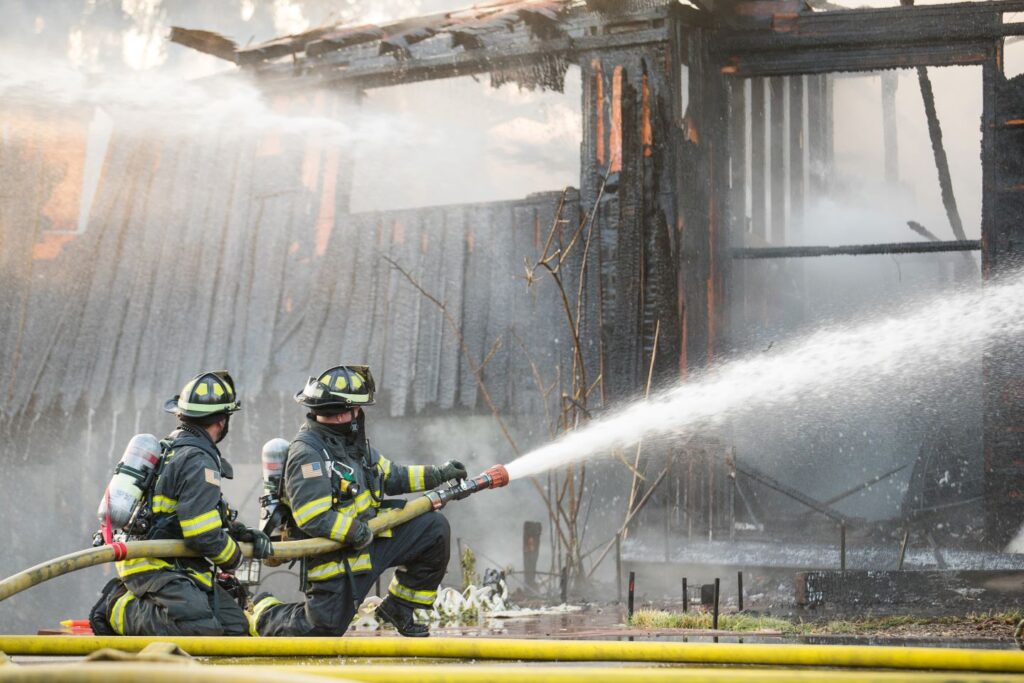
Fire and water damage rank among the most common risks faced by businesses in New York and across the United States, representing about 6.6% of all commercial insurance claims nationwide. These events don’t just result in material losses — they can bring operations to a halt, creating serious financial consequences. Having the right insurance coverage is the best way to protect your business continuity and avoid unpleasant surprises when filing a claim.
Key Coverages Every Policy Should Include
To ensure solid protection, a commercial policy for fire and water damage should include:
- Structural fire damage: covers the building and facilities affected by fire, smoke, or explosions.
- Replacement of assets and equipment: protection for machinery, inventory, and furniture that are damaged or destroyed.
- Water damage: includes accidental leaks, burst pipes, sprinkler system failures, or equipment overflows.
- Cleanup and debris removal costs: covers the removal of damaged materials after the incident.
- Business interruption: compensation for lost income while your company is unable to operate.
- Liability coverage: in case fire or water damage affects third parties, such as neighbors or tenants.
Common Exclusions You Need to Know
Not every scenario is covered. Many policies contain exclusions that can leave your business exposed if you’re not aware of them. The most common include:
- Lack of maintenance or negligence: if damage results from ignored repairs, insurers may deny the claim.
- Flooding from natural events: heavy rains, hurricanes, or overflowing rivers are typically not covered under standard policies and require separate flood insurance.
- Gradual damage from humidity or long-term leaks: most policies only cover sudden, accidental damage, not wear and tear over time.
- Intentional acts or fraud: any damage caused deliberately is excluded.
Understanding these exclusions is critical — not just to avoid surprises when filing a claim, but also to make informed preventive decisions. Adjusting your policy, adding endorsements, or investing in regular maintenance can make all the difference when a loss occurs.
How to Optimize Your Policy
- Review your coverage regularly: confirm that insured amounts are updated and that your policy reflects the current size and scope of your business.
- Request tailored policies: avoid generic contracts and seek coverage designed for your industry. For example, a food business may need specialized protection for refrigeration equipment.
- Ask about additional endorsements: such as protection against electrical damage, accidental explosions, extreme weather events, or vandalism, which may not be included in the base plan.
- Verify insured values: make sure replacement costs for property, machinery, inventory, and technology are accurately estimated.
- Check business interruption periods: many policies limit the duration of compensation. Align this period with the real recovery time your operations would require.
- Consider extra expense coverage: for costs like renting a temporary location or acquiring provisional machinery to keep operations running while repairs are made.
Conclusion
Being prepared for fire and water damage isn’t only about complying with local regulations — it’s about safeguarding the financial stability of your business. The right policy can mean the difference between a quick recovery and irreparable losses. Knowing exactly what your insurance covers — and what it doesn’t — allows you to act proactively and strengthen your company’s resilience.
At Rondon Brokerage, we help you review and optimize your coverage so your business stays protected against these common risks. Contact us for a personalized consultation.